EXPLORE THE MICROCOSMOS
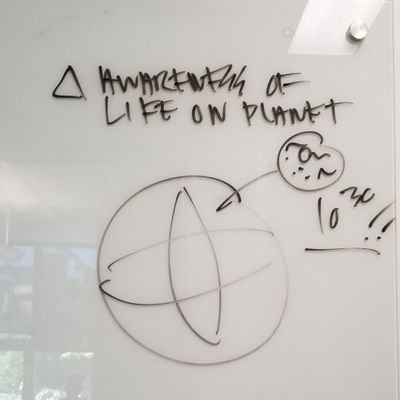
Beyond the limits of our senses exists an incredibly diverse microbial world. This microcosmos [pdf] extends into virtually every imaginable habitat, thrives under powerful extremes, and helps create and sustain the ecological and biogeochemical conditions for life on Earth. Just as cellular complexity arises through networks of genes, proteins, and metabolites interacting across multiple hierarchical levels, so ecological and biogeochemical phenotypes arise from interactions between microbial community members. In the Hallam Lab, we work at the interface of microbial ecology, biological engineering, and bioinformatics to explore the microcosmos, determining microbial community structure and function across a wide range of natural and engineered environments with an eye toward converting basic science insights into biotechnology innovations.
MICROBIAL ECOLOGY
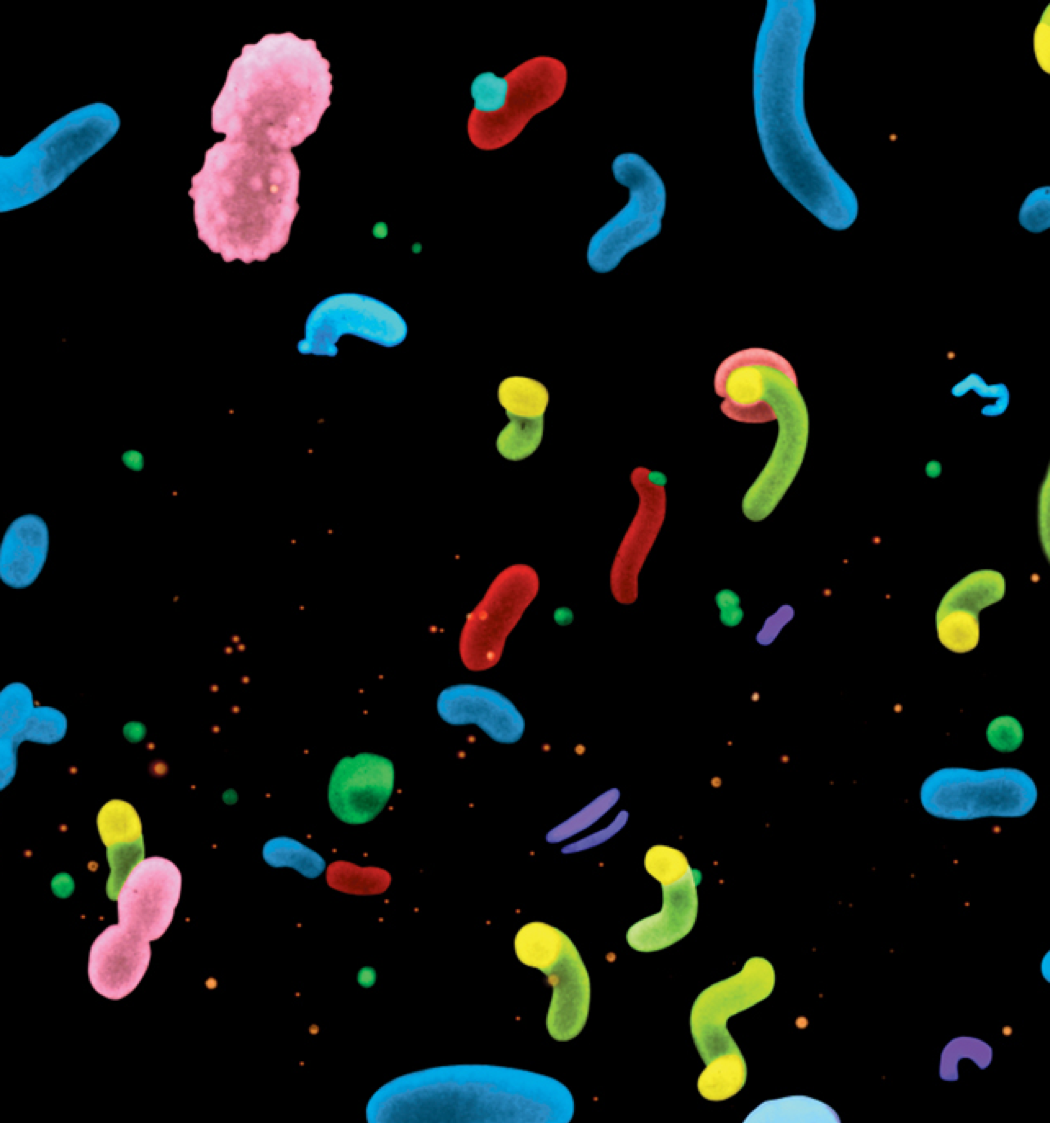
We investigate the incredibly diverse microbial world that exists beyond the limits of our senses – the microcosmos.
BIOLOGICAL ENGINEERING
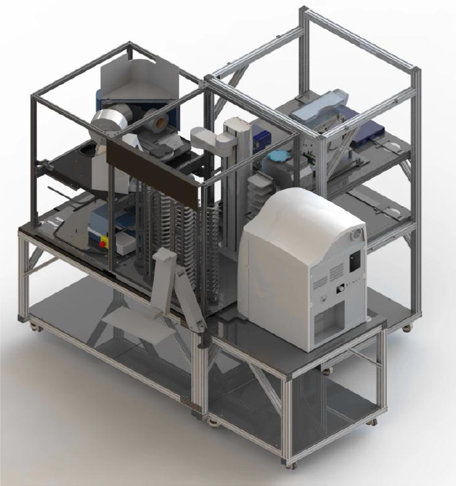
We harness the metabolic problem-solving powers of the microcosmos through combined screening and engineering applications.
BIOINFORMATICS
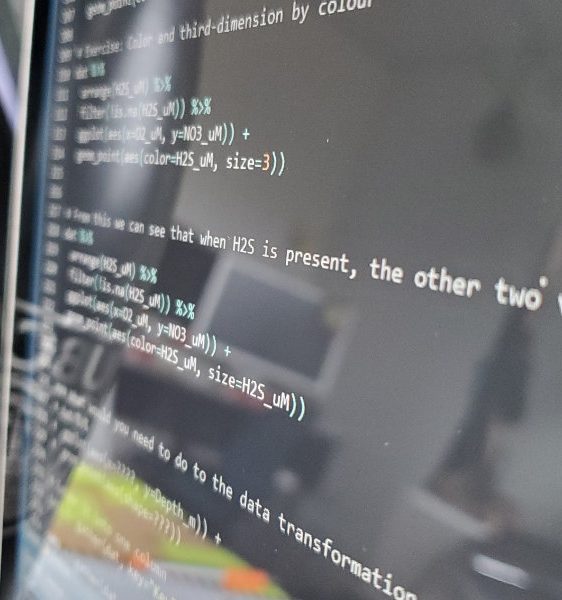
We chart the microcosmos through the combined use of high-performance computing and machine learning algorithms.
MICROBIAL ECOLOGY
We investigate the incredibly diverse microbial world that exists beyond the limits of our senses – the microcosmos.
BIOLOGICAL ENGINEERING
We harness the metabolic problem-solving powers of the microcosmos through combined screening and engineering applications.
BIOINFORMATICS
We chart the microcosmos through the combined use of high-performance computing and machine learning algorithms.
PROJECT SPOTLIGHT
INNOVATION
INITIATIVES
We are engaged in a number of teaching, training, and research initiatives intended to build inclusive and sustainable communities of practice. Our innovation ecosystem is constantly evolving.